


1401, Block B, Jinyu International Center, Changping District, Beijing
Views: 0 Author: Site Editor Publish Time: 2026-09-02 Origin: Site


Uninterrupted DC power serves as the absolute lifeblood of modern telecommunications. As global infrastructure rapidly expands to support 5G rollouts, edge computing, and remote base stations, continuous power delivery is no longer optional. Without a highly stable conversion process, even the most advanced network architectures will inevitably fail.
Relying on legacy AC-to-DC conversion systems creates massive operational vulnerabilities. Aging equipment frequently suffers from severe energy loss and dangerous thermal buildup inside server racks. These hidden inefficiencies directly trigger sudden system downtime during critical usage spikes or grid fluctuations. Network operators simply cannot afford these unpredictable outages.
Transitioning to a modern Telecom Rectifier Module secures your mission-critical infrastructure. It acts as the foundational component for reliable power distribution. Engineering and procurement teams must evaluate these systems carefully. We will explore how you should select the right hardware based on technical performance, environmental resilience, and long-term operational stability.
Efficiency Drives OPEX: High-efficiency telecom rectifier modules (≥96%) significantly reduce long-term operational costs and thermal load.
Application-Specific Sizing: Deployment success depends on matching module specifications to exact environments, from outdoor cabinets to dense 5G cell sites.
Redundancy is Mandatory: N+1 configurations are standard; evaluating hot-swappable capabilities is non-negotiable for zero-downtime maintenance.
The Ruixiao Advantage: Ruixiao balances robust environmental resilience with intelligent monitoring, providing verifiable reliability for complex network rollouts.
A massive gap exists between commercial off-the-shelf power supplies and true telecom-grade equipment. Standard power units routinely fail under the rigorous demands of telecommunications environments. They lack the engineering resilience required for continuous operation during frequent grid instability. When voltage sags occur, standard units often drop their active loads, causing immediate network outages.
Telecommunications standards require power systems to deliver clean, uninterrupted -48V DC power regardless of external conditions. A high-quality Telecom Rectifier Module bridges this critical gap. It filters unstable AC input and converts it safely to DC power, ensuring sensitive routing equipment stays online. We must evaluate success criteria across several operational dimensions.
High Power Density: Space remains incredibly scarce in modern telecom racks. Network engineers demand maximum power output within constrained 1U or 2U footprints. High-density designs allow more room for actual revenue-generating data equipment.
Wide Input Voltage Range: Utility grid power fluctuates wildly depending on geographic location. Modules must maintain perfectly stable DC output despite severe AC drops or sudden surges. This flexibility prevents system resets during rolling brownouts.
Hot-Swappability: Network users expect zero downtime. Technicians must expand capacity or replace faulty units without dropping the live active load. Hot-swappable designs allow seamless maintenance while the broader system continues functioning normally.
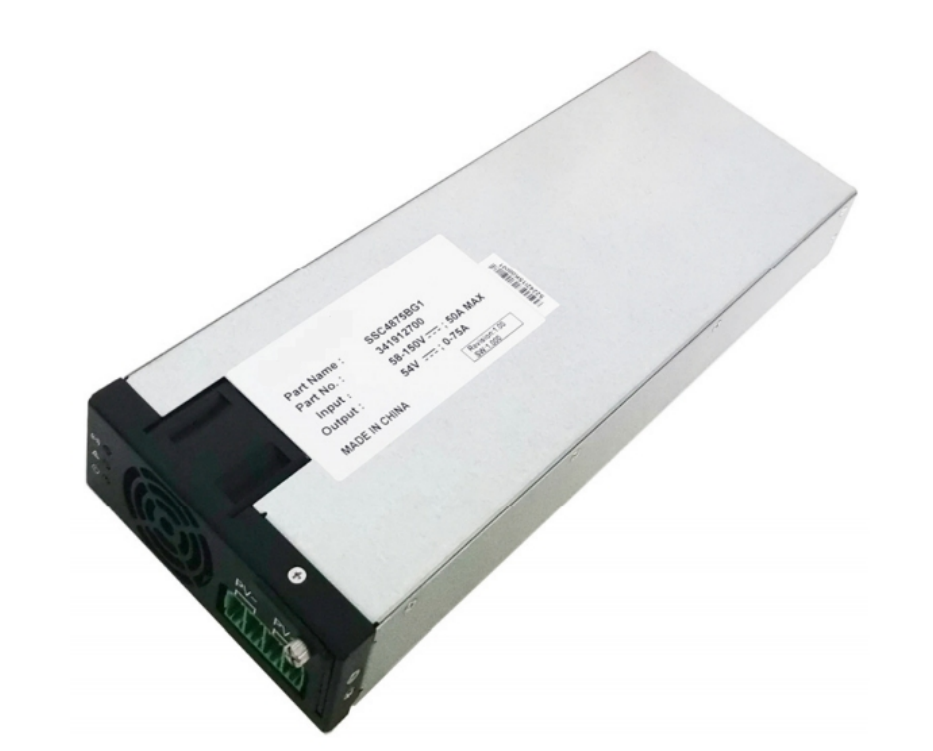
You will find these conversion systems deployed across vastly different environments. Understanding where they operate helps dictate your specific hardware requirements.
The transition to 5G technology demands significantly more power than previous 4G iterations. Massive MIMO antennas pack dozens of transceivers into remarkably tight physical spaces. A compact Telecom Rectifier Module solves this primary footprint constraint. It delivers massive current density without occupying extra rack space. This allows telecom operators to scale their localized power capacity directly alongside new antenna installations.
Outdoor enclosures face brutal, unrelenting elements year-round. They endure blistering summer heat and freezing winter conditions. Airborne dust, salt fog, and high humidity constantly attack internal electronic components. Rectifiers placed in these locations require robust conformal coating and exceptionally wide operating temperature ranges. You must guarantee they survive these harsh environmental realities, as dispatching maintenance crews to remote cabinets proves highly expensive.
Edge computing pushes critical data processing much closer to end-users. These localized nodes require highly scalable power architectures. They must integrate seamlessly into intelligent power distribution units (PDUs). Facility managers rely on these modules to distribute power efficiently across localized server clusters. Remote monitoring capabilities allow centralized teams to manage hundreds of edge locations simultaneously.
Choosing the right hardware requires looking past basic marketing materials. You must evaluate parameters directly impacting daily performance and long-term reliability.
High electrical efficiency translates directly into reduced wasted heat. Upgrading from 94% to 96% efficiency might sound mathematically small on paper. However, it slashes total thermal output significantly inside the rack. Less heat generation means your external cooling systems work far less aggressively. This directly lowers your monthly energy consumption. It also proactively extends the lifespan of sensitive adjacent network equipment.
Modern telecommunications networks require proactive, data-driven management. You cannot afford to wait until a critical system fully fails before taking action. Evaluating internal communication protocols remains a vital step. Look for deep CAN bus, RS485, and SNMP integration. These digital protocols enable predictive maintenance strategies. Engineering teams can monitor real-time temperature fluctuations and load balancing data remotely. Reactive, panic-driven troubleshooting rapidly becomes a thing of the past.
Never guess about hardware reliability. Always demand verifiable MTBF data from your manufacturing partner. A reputable Telecom Rectifier Module undergoes rigorous stress testing before reaching the market. Regulatory compliance also matters deeply for commercial deployments. CE, UL, and RoHS certifications actively protect your corporate liability. They guarantee electrical safety standards and ensure uniform performance across global deployment sites.
Table 1: Standard Power Supply vs. Telecom-Grade Rectifier Comparison
Evaluation Metric | Standard Power Supply | Telecom-Grade Rectifier Module |
|---|---|---|
Operating Temperature | 0°C to 40°C (Indoor only) | -40°C to +75°C (Harsh environments) |
Input Voltage Tolerance | Narrow margin (susceptible to drops) | Extremely wide (handles severe sags/surges) |
Maintenance Protocol | Requires total system shutdown | Fully hot-swappable during live operation |
Output Stability | High ripple under heavy load | Ultra-low ripple, pure DC power |
Even the best hardware can fail if implemented incorrectly. Network operators must navigate several real-world risks during deployment.
Purchasing too much capacity wastes valuable capital expenditure. It traps deployment budgets in unused silicon and unnecessary hardware. Conversely, under-specifying invites immediate disaster. Insufficient redundancy creates severe downtime risk if a single unit faults during peak hours. You must calculate precise daily load requirements carefully. Always add a sensible N+1 margin to balance cost against reliability.
Even ultra-efficient modules generate some ambient heat. Poor rack airflow design actively destroys internal cooling efficiency. If thick cable bundles block rear exhaust vents, you will induce thermal runaway. When hardware gets too hot, it intentionally derates its power output to survive. You must design clean, unobstructed airflow pathways. Proper vertical spacing prevents internal cabinet temperatures from exceeding critical hardware thresholds.
Retrofitting older telecom sites frequently creates integration headaches. Legacy supervisory controllers often speak outdated digital protocols. Modern modules might fail to handshake properly during initial startup. You must verify software compatibility early in the planning phase. Sometimes, installing intermediary gateway interfaces becomes necessary. These gateways translate communication signals effectively between modern rectifiers and old site controllers.
Selecting a hardware partner requires trust built on verifiable engineering data. Ruixiao focuses heavily on structural reliability rather than empty marketing claims.
Ruixiao builds hardware designed strictly for long-term survival. Their internal testing parameters include brutal thermal shock evaluations. They subject units to rapid temperature extremes to identify physical vulnerabilities. Extended burn-in processes expose weak internal components before units ever ship to clients. This highly scientific approach guarantees robust performance when deployed in the field.
Ruixiao clearly defines the ideal use cases for their hardware. They help operators match specific models directly to environmental realities. Their high-stress outdoor units excel inside unconditioned cabinets facing direct sunlight. Standard indoor models optimize electrical efficiency specifically for climate-controlled server rooms. You always know exactly what you are deploying and where it performs best.
Delivering hardware represents only half the solution. Supply chain reliability keeps complex network rollouts strictly on schedule. Ruixiao offers transparent lead times to assist project planners. Their post-deployment technical support structures strongly mitigate long-term operational risks. Engineering teams remain easily accessible for deep troubleshooting and complex site integration assistance.
Selecting the right power infrastructure remains a critical architectural decision. It is never a simple, interchangeable commodity purchase. Protecting your network requires careful technical alignment. Keep these final action-oriented takeaways in mind as you plan your next deployment:
Align module specifications precisely to your exact environmental constraints.
Prioritize intelligent digital monitoring to catch hardware faults early.
Ensure your physical rack airflow design matches internal thermal ratings.
Demand rigorous, verifiable testing data from your manufacturing partner.
Technical buyers should map their current load requirements and redundancy needs immediately. Always account for future capacity expansions. We encourage you to contact Ruixiao's engineering team today. Request a detailed technical spec sheet or ask for a sample unit. Rigorous lab evaluations will quickly prove their real-world performance.
A: A well-maintained module typically lasts 10 to 15 years in outdoor environments. This lifespan heavily depends on proactive thermal management and continuous load percentages. Keeping the unit below its maximum temperature rating prevents premature capacitor degradation. Always deploy proper cabinet shading and environmental controls in extreme climates to reach this upper lifespan limit.
A: N+1 redundancy guarantees continuous, uninterrupted power. "N" represents the exact number of modules required to carry your peak network load. The "+1" adds a single extra backup unit. During normal operation, all connected modules share the load equally. If one module experiences a fault, the others instantly absorb its load without causing any voltage drops.
A: Yes, they integrate successfully, but protocol compatibility requires careful planning. Many modern rectifiers utilize advanced SNMP or CAN bus digital protocols. Legacy site controllers might only support simple dry contacts or older RS485 standards. You will often need to install an intermediary gateway interface to translate these specific communication signals effectively.
A: Start by calculating your total peak equipment load. Next, add the maximum current required to recharge your depleted backup batteries simultaneously. Finally, add your specific redundancy margin, which is typically one additional module (N+1). This combined formula guarantees you deploy enough total capacity for peak data traffic, rapid battery charging, and fault tolerance.